The Yoruba Fìlà in Modern Identity

Yoruba is a tribe rooted in culture and pride. Among the Yoruba people, a man isn’t fully dressed until his fìlà is on. It isn’t just a finishing touch; it’s heritage, confidence, and a statement: “I know where I come from.”
The fìlà Yoruba, once the mark of noblemen and elders, has evolved from royal courts to modern fashion and city festivals. Its story stretches from the hands of local artisans to contemporary makers and diaspora wearers who now see it as a badge of belonging.
...every stitch was done by hand.
For tailors like Adeyemi Olatunde Kehinde, the making of fìlà was once sacred labour. “In the days of our forefathers,” he recalls, “there was no machine, every stitch was done by hand.” The process begins with aso-òkè, hand-cut into three slanted pieces before they are joined, turned with tẹ̀rú (linen lining), embroidered with shíshà stitching and finished with an òlólù — a wooden mallet that flattens and perfects the cap.

This devotion to craft defines Yoruba tailoring, the art of precision without shortcuts. Even with modern tools like Tinko and Phoenix machines, Adeyemi insists the heart still guides the hands. A single fìlà, he notes, once took a week to complete; innovation may have shortened the time but not the reverence.
The tilt of the fìlà carries unspoken meaning:
forward for the ambitious
left for the married
right for the single
raised for the seekers
back for the elders watching the next generation rise
It’s a visual language of status and respect that still thrives at Yoruba gatherings and ceremonies.
To experience the fìlà in its full glory, nowhere shines brighter than the annual Ojude-Oba Festival in Ìjèbú-Óde, Ogun State. What began as a thanksgiving visit to the Awùjalẹ̀ (Ijebu king) has grown into a global spectacle, drawing Yoruba descendants from around the world to celebrate their heritage. Men arrive in coordinated aso-òkè with perfectly shaped fìlà, parading through the streets in honour of their king — a living, breathing pageant of identity.

The youth are picking up the fìlà again with pride.
In recent years, the fìlà Yoruba has found new life through the works of modern designers and brands. Among them, Fìlà Yoruba, founded by Dr Coker, has become a standout name. His designs have crowned everyone from Nigerian elites to creatives and everyday wearers. Beyond craftsmanship, the brand’s team travels across Yoruba cities to meet with master tailors, documenting stories so that every piece carries a bit of history.
“People are retracing their steps back to the old ways,” Adeyemi notes. “The youth are picking up the fìlà again with pride.”
...tradition can evolve without losing its soul.

That rediscovery now extends into global streetwear. Young Nigerians style fìlà with urban outfits to blend heritage with contemporary flair. Public figures like Tunde Onakoya, the renowned chess master, wear the fìlà Yoruba as a minimalist emblem, proving that tradition can evolve without losing its soul.
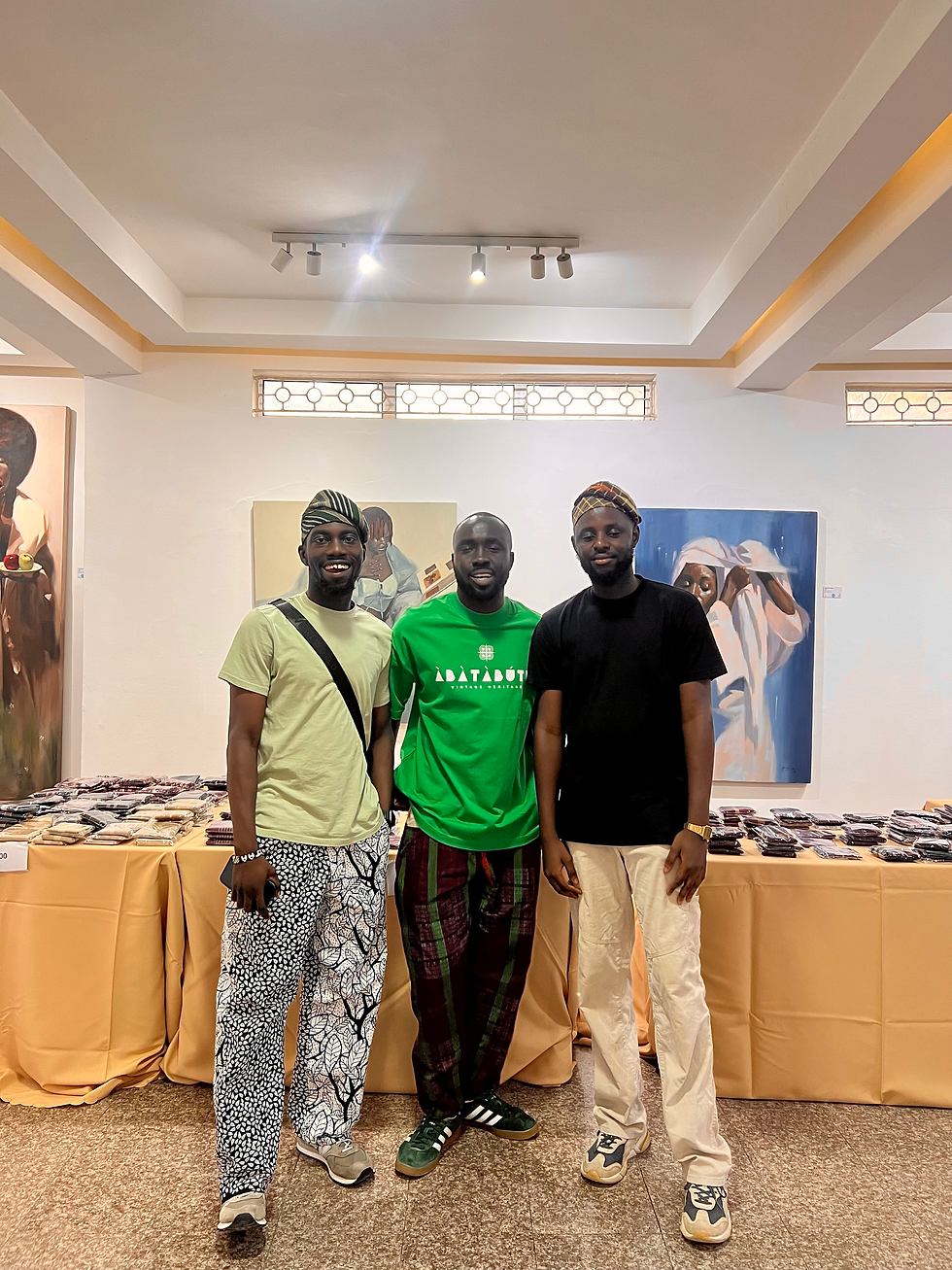
The fìlà has endured through generations not just as a fashion piece but as a statement of Yoruba identity which serves as a link between craftsmanship, pride, and belonging. Preserving its legacy means more than wearing it; it means documenting, understanding, and passing the craft on. In archiving the story of the fìlà, we are not just safeguarding a tradition, but reaffirming a truth — Yoruba culture, like fashion itself, thrives when it remembers where it began, even as it shapes where it’s going.
Sources & Further Reading
Fila Yoruba (Instagram): Archival documentation and contemporary reinterpretations of the Yoruba cap tradition.https://www.instagram.com/filayoruba
DW Africa (YouTube): The Art of Yoruba Fashion — video series exploring African craft, identity, and evolving style narratives.
AIF Yoruba Cultural Centre: Repository of Yoruba cultural heritage, traditional craftsmanship, and oral histories.
Ibiwoye, Tope Israel. A Journey Through Time: A Pictorial Documentation of Yoruba Fashion from 1960 to 2020.AKU: An African Journal of Contemporary Research, Vol. 4, No. 3 (2023).ISSN 2681-40761 (Print) | ISSN 2814-0753 (e).Available at: www.apas.africa/journals.php
ObePro: “Yoruba Cap: Culture, Heritage, and Identity.”https://obepro.com.ng/yoruba-cap/?v=b024d0941faa


Comments